
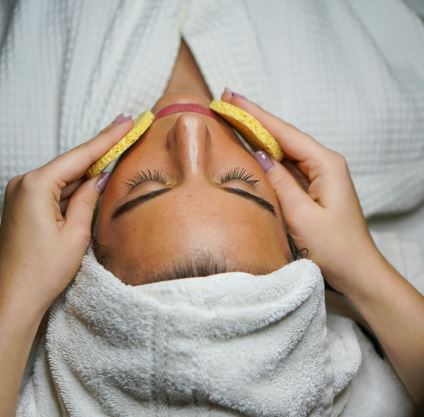
How to Determine Your Skin Type
How to Determine Your Skin Type and Why It Matters for Skincare
Understanding your skin type is the first—and most important—step in building a skincare routine that actually works. Whether you’re dealing with dryness, breakouts, or oiliness, knowing your skin type helps you choose the right products and develop habits that truly benefit your skin. We received a lot of questions on this topic – here are some details.
Let’s break down how to determine your skin type, why it matters, and how skincare routines differ depending on your skin’s unique needs.
🧴 Why Knowing Your Skin Type Is So Important
When you know your skin type, you can:
Choose products that enhance rather than irritate your skin
Avoid breakouts, dryness, or excess oil
Create a skincare routine that delivers visible results
Save time and money by avoiding trial-and-error
Target skin concerns like acne, aging, or sensitivity more effectively
Knowing your skin type is the key to personalized skincare, and that’s what gets results.
🔍 How to Determine Your Skin Type (Simple at-Home Test)
Here’s a quick and easy way to identify your skin type:
✨ The Bare-Faced Test
Cleanse your face with a gentle cleanser and pat dry.
Leave your skin bare (no products) for about 1 hour.
Observe how your skin feels and looks:
Normal: Feels balanced, not oily or tight.
Oily: Noticeable shine, especially on the forehead, nose, and chin.
Dry: Feels tight, may have flakiness or dullness.
Combination: Oily T-zone with dry or normal cheeks.
Sensitive: May sting, burn, or turn red when using products or after cleansing.
🧪 Optional: Blotting Sheet Test
Press oil blotting paper on different areas of your face.
Little to no oil = dry
Oil in T-zone only = combination
Oil all over = oily
Balanced oil = normal
🧬 Is Skin Type Genetic or Environmental?
The answer is: both.
📌 Genetics largely determine your skin type:
Oil production
Pore size
Skin texture
🌍 But environmental and lifestyle factors also play a role:
Climate (humid vs. dry)
Diet and hydration
Stress and sleep
Hormonal changes
Your skin type can change over time—especially with age, lifestyle shifts, or medical conditions—so it’s worth reassessing every so often.
🧖♀️ How Skin Care Routines Differ by Skin Type
Here’s how skincare approaches can vary:
🌿 Normal Skin
Focus on maintenance and protection.
Use gentle cleansers, light moisturizers, and daily sunscreen.
💦 Oily Skin
Use foaming or gel cleansers to remove excess oil.
Choose non-comedogenic, oil-free moisturizers.
Exfoliate 2–3 times per week to prevent clogged pores.
🧊 Dry Skin
Use creamy or hydrating cleansers.
Apply thicker moisturizers with hyaluronic acid or ceramides.
Avoid over-exfoliating, and always use SPF.
🔄 Combination Skin
Use a balanced approach (e.g., oil-free products on T-zone, richer moisturizers on dry areas).
Spot-treat problem areas.
Use lightweight, non-irritating products.
🌸 Sensitive Skin
Stick to fragrance-free, hypoallergenic products.
Avoid alcohols, harsh exfoliants, and strong acids.
Look for soothing ingredients like aloe, chamomile, or oat extract.
✅ Final Thoughts: Personalized Skincare Starts With Knowing Your Skin Type
When you understand your skin type, you unlock the ability to care for your skin the right way. It’s not about doing more—it’s about doing what works for you.
So whether you’re shopping for a new cleanser, dealing with stubborn breakouts, or just want that healthy glow, start by asking: What’s my skin type?
For more articles and reviews, please visit SkinBeautyTips.Net!
🔍Related Searches:
How to determine your skin type
What is my skin type quiz
Best skincare routine by skin type
Skin type test at home
Dry vs oily skin
Skincare for combination skin
Skincare tips for sensitive skin
Normal skin care routine
Causes of oily skin
Personalized skincare solutions
🏷️Tags:
#SkinCareTips #KnowYourSkin #OilySkin #DrySkin #SensitiveSkin #CombinationSkin #PersonalizedSkincare #HealthySkin #SkinTypeTest #BeautyBasics