
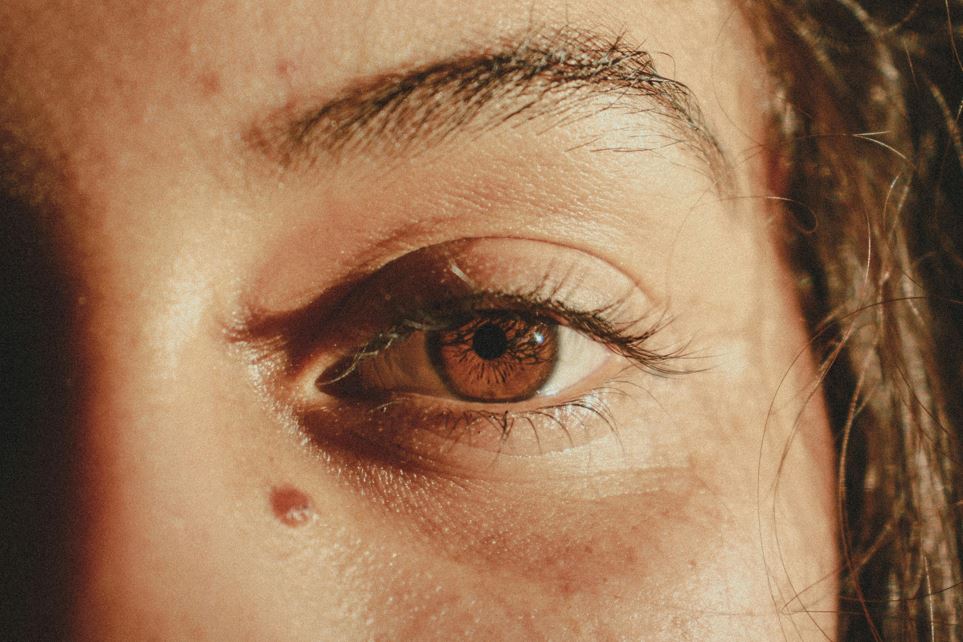
What Is A Mole? Types, Causes, Risks, and Skin Health Insights
🧬 What Is a Mole?
A mole—medically known as a melanocytic nevus—is a common skin growth formed by clusters of pigment-producing cells (melanocytes). While most moles are harmless, some can signal skin abnormalities, including melanoma, the most serious type of skin cancer.
🔬 How Deep Into the Skin Does a Mole Affect?
Moles typically form in the epidermis (outer layer) and may extend into the dermis (the middle layer of the skin). Some types, such as intradermal nevi, reside entirely within the dermis. While most moles are surface-level and benign, deeper moles or rapidly changing ones should be monitored by a dermatologist.
🧪 Are Moles Genetic or Environmental?
The development of moles is influenced by both genetics and environment:
👨👩👧👦 Genetics: People with a family history of moles or melanoma often develop more moles and may have atypical (dysplastic) nevi.
☀️ Environmental factors: UV radiation from sun exposure or tanning beds can increase the number and appearance of moles, especially in fair-skinned individuals.
Key takeaway: You may be born with the tendency to develop moles, but UV exposure plays a big role in how many and how quickly they appear.
🌍 Who Gets Moles? Are Certain Populations at Higher Risk?
Moles are common across all skin types and ethnicities, but:
👩🦰 Fair-skinned individuals tend to develop more moles due to less natural melanin protection.
👶 Children and teenagers often develop new moles as they grow.
🧓 Older adults may see changes in existing moles or develop seborrheic keratoses, which are mole-like growths.
Note: People with more than 50 moles or atypical moles are at a higher risk of developing melanoma.
🕐 When and Where Can Moles Appear?
Moles can appear anytime from birth through adulthood, and they can grow anywhere on the body, including:
🧠 Scalp
🧑🦲 Face and neck
💪 Arms and torso
🦵 Legs and feet
👃 Even inside nostrils or under nails!
Sun-exposed areas like the shoulders, back, and chest are particularly prone to mole development over time.
❓ Are Moles Preventable?
While you can’t prevent moles entirely, you can reduce your risk of developing new or abnormal ones:
☀️ Mole Prevention Tips:
Wear broad-spectrum SPF 30+ sunscreen daily
Avoid peak sun hours (10am–4pm)
Use protective clothing and wide-brimmed hats
Say no to tanning beds
Perform regular skin checks and see a dermatologist annually
🔄 Are Moles Permanent or Temporary?
Most moles are permanent but some may fade or disappear over time, especially those that appear in childhood. Hormonal changes (like puberty or pregnancy) can cause moles to darken, enlarge, or temporarily appear.
Warning: Sudden changes in shape, color, size, or border could indicate malignant transformation and require prompt medical attention.
🔍 Are There Different Types of Moles?
Yes — moles come in various types and levels, each with unique characteristics and potential concerns.
🌈 Common Types of Moles:
Congenital Moles
Present at birth
Larger ones have a higher risk of melanoma
Acquired Moles
Develop during life
Usually benign and small
Dysplastic (Atypical) Moles
Irregular shape, uneven color, larger than normal
Higher risk of skin cancer
Intradermal/Compound Moles
Flesh-colored or raised, located deeper in the skin
Generally benign
Blue Nevi
Deep pigmentation due to depth
Rarely cancerous but can be mistaken for melanoma
🩺 Do Moles Need Treatment or Removal?
✅ When to Leave Them Alone:
Small, symmetrical, evenly colored moles that haven’t changed in years.
Located in areas with no irritation or trauma risk.
⚠️ When to Consider Treatment:
Rapid growth or change in color/shape
Itching, bleeding, or crusting
Located in high-friction areas or for cosmetic reasons
Atypical features suggestive of melanoma (ABCDE rule)
✂️ Mole Treatment Options:
Surgical excision (for complete removal and biopsy)
Shave removal (for raised moles)
Laser therapy (for flat or pigmented moles, mainly cosmetic)
🧠 Final Thoughts
Moles are a normal part of life, but knowing what they are, why they appear, and how to monitor them can protect your skin — and your health. Whether you’re looking for mole removal options, skin cancer prevention, or just curious about your body, staying informed is the key to healthy skin.
📌 Bookmark this site and check your skin monthly for any changes. Early detection saves lives.
For more articles and reviews, visit SkinBeautyTips!
🏷️ Related Searches:
what is a mole, types of skin moles, how to remove moles, are moles cancerous, mole removal options, do moles go away, genetic moles, dysplastic nevus, melanoma warning signs, mole check