What Are Freckles? Causes, Types, Treatments & Tips
🌼 What Is a Freckle?
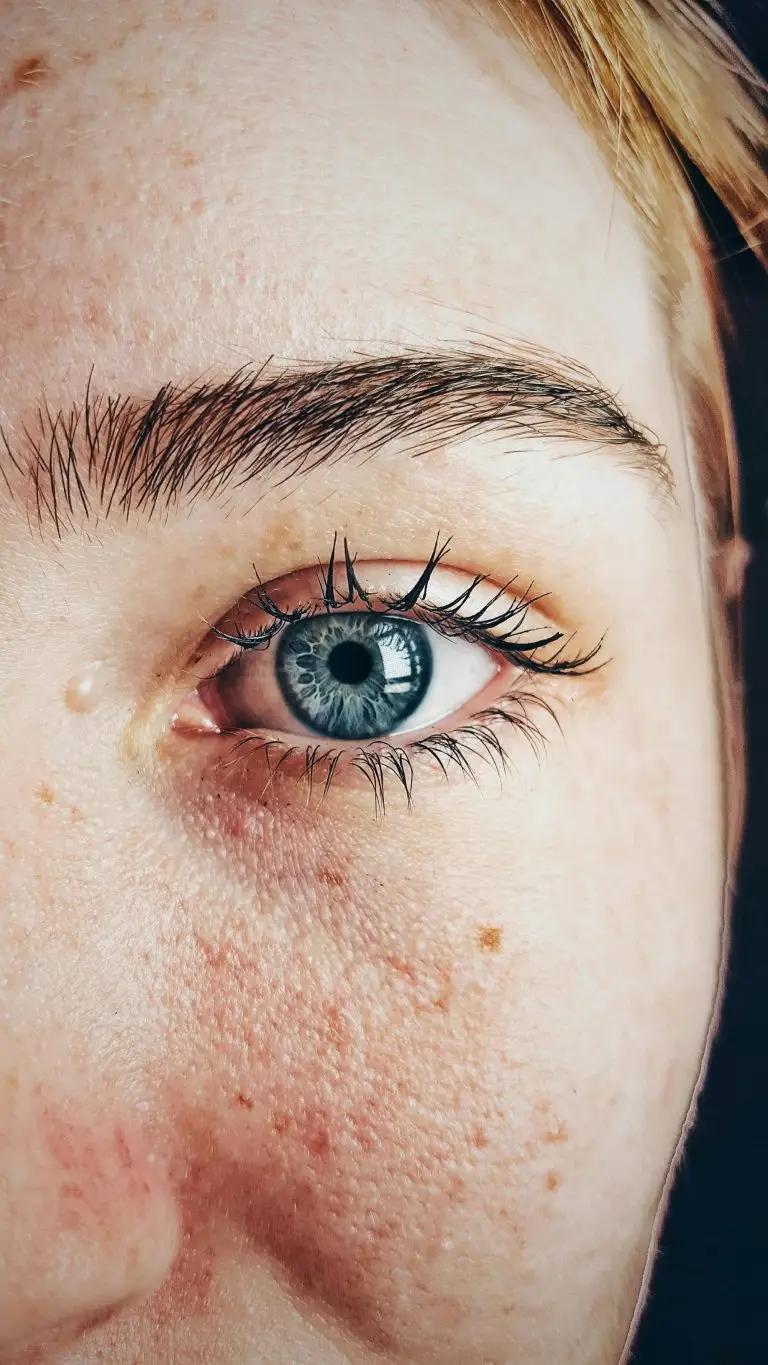
Freckles are small, flat, circular spots on the skin that develop as a result of increased melanin production. These spots are typically light brown, red, or tan, and appear more prominently after sun exposure. Unlike moles or sunspots, freckles are not raised, and they do not pose any health risks.
Freckles are a common skin pigmentation condition and are considered harmless. However, many people seek treatment for cosmetic reasons or to distinguish them from other types of skin spots.
🔬 How Deep Into the Skin Do Freckles Affect?
Freckles occur in the epidermis, which is the outermost layer of the skin. They form when melanocytes (pigment-producing cells) make excess melanin in response to UV light exposure. Because they don’t penetrate deeper layers like the dermis, freckles are generally non-invasive and easier to treat or fade compared to deeper pigmented lesions.
🧬 Are Freckles Genetic or Environmental?
The appearance of freckles is influenced by both genetics and environmental exposure:
Genetics: Freckles are more common in people with fair skin, especially those who carry a variation of the MC1R gene. If your parents have freckles, there’s a high chance you may have them too.
Sun exposure: UV radiation stimulates melanin production, which can cause or darken freckles, even in individuals without a strong genetic predisposition.
Fun fact: You’re not born with freckles — they typically begin appearing in early childhood after sun exposure.
🌍 Who Gets Freckles?
Freckles can affect anyone, but they are most common in:
Fair-skinned individuals, especially those with red or blonde hair
People of Northern European descent
Children and teens who spend a lot of time outdoors
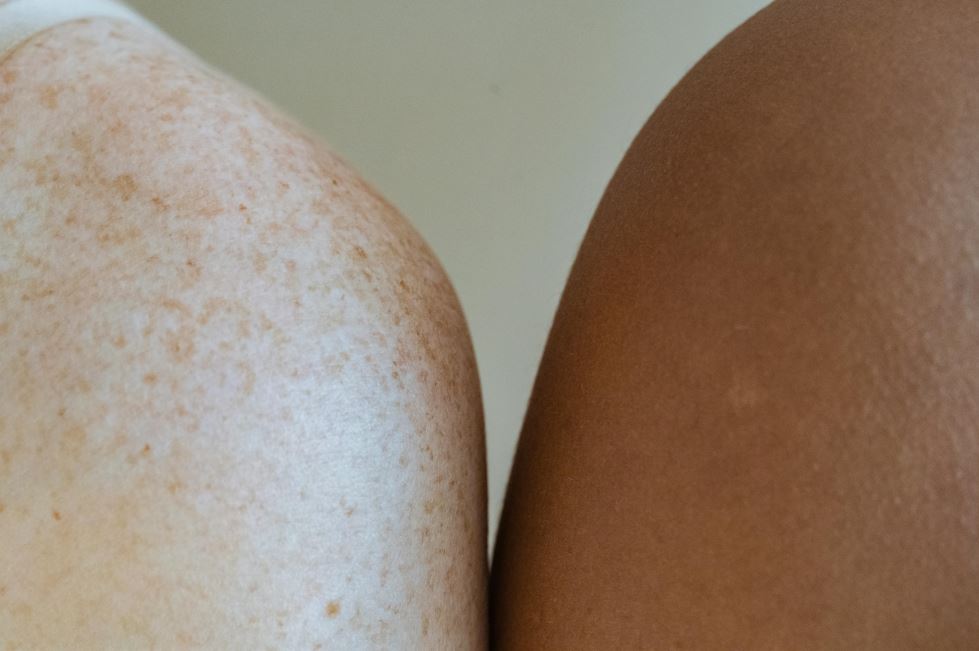
Though less common, people with darker skin tones may also develop freckles, especially after prolonged UV exposure.
📍 When and Where Do Freckles Appear?
Freckles typically appear in areas that get frequent sun exposure, including:
Face
Shoulders
Arms
Chest
Back
Hands
They can fade in winter and darken in summer, following the intensity of sun exposure.
❓ Are Freckles Preventable?
You can’t prevent genetic freckles, but environmental freckles (like sun-induced ones) can be minimized.
☀️ Freckle Prevention Tips:
Use broad-spectrum sunscreen (SPF 30 or higher) daily
Wear sun-protective clothing and hats
Avoid peak sun hours (10 AM–4 PM)
Reapply sunscreen every 2 hours when outdoors
Skip tanning beds — they can trigger pigmentation
🔄 Are Freckles Permanent or Temporary?
Ephelides (the most common type of freckle) are temporary and may fade with age or reduced sun exposure.
Lentigines (also called sunspots or age spots) are long-lasting and may require dermatological treatments to fade.
So, freckles can be either temporary or long-lasting, depending on the type and your sun habits.
🔍 Are There Different Types of Freckles?
Yes! There are two main types of freckles, each with its own causes and characteristics.
1️⃣ Ephelides (Classic Freckles)
Flat, light brown or red
Triggered by sun exposure
Appear in childhood and fade in winter
Mostly harmless and genetic
2️⃣ Solar Lentigines (Sunspots or Age Spots)
Darker and more persistent
Caused by long-term sun exposure
Common in adults 40+
Often appear on the face, chest, and hands
Important: If a freckle changes shape, grows, itches, or bleeds — see a dermatologist. It could be a sign of melanoma.
🩺 Do Freckles Need Treatment?
Freckles don’t require treatment, but many people seek options for fading or removing freckles for cosmetic reasons.
✨ Top Freckle Treatment Options:
✅ Natural Remedies (Best for Ephelides)
Vitamin C serums: Brightens skin and reduces pigmentation
Aloe vera: Soothing and lightens spots over time
Licorice extract: Contains glabridin, which helps fade dark spots
💉 Dermatological Treatments (Best for Persistent Freckles/Sunspots)
Chemical peels: Removes top skin layers for brighter skin
Cryotherapy: Freezes off sunspots
Prescription creams: Like hydroquinone, tretinoin, or azelaic acid
Always consult a board-certified dermatologist before starting any skin treatments.
🧠 Final Thoughts
Freckles are a natural, common skin feature that can be temporary, genetic, or sun-induced. While they’re usually harmless, it’s important to monitor changes and protect your skin from UV exposure.
If you love your freckles — embrace them! If you prefer a more even complexion, safe skincare treatments are available to help fade them gradually.
✅ Protect, hydrate, and brighten — that’s the freckle-friendly skincare formula!
For more articles and reviews, please visit SkinBeautyTips!
🏷️ Related Searches:
what are freckles, how to fade freckles, are freckles genetic, types of freckles, freckle treatment options, freckles vs sunspots, freckles on face, are freckles permanent, best sunscreen for freckles, how to prevent freckles, natural remedies for freckles